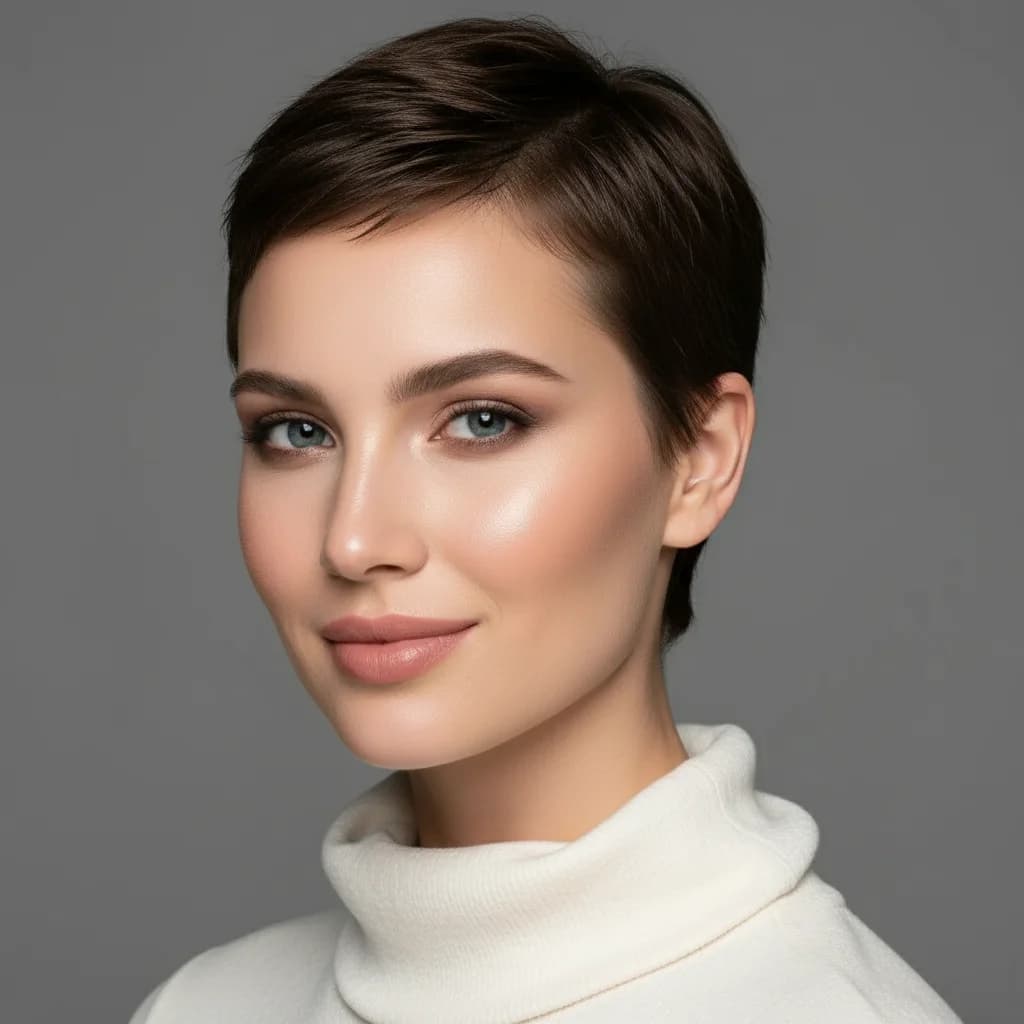
Soft pixie
Short movement with less unsupported length.
Fine-hair shape guide and photo try-on
Hairstyles for thin, fine hair can create a stronger visual shape by protecting the perimeter, limiting unsupported layers, and placing movement where the strands can hold it. Compare the cut on your own photo without asking the preview to invent extra hair.
Look at the edge, separation, and maintenance rather than copying the reference model’s density. The most useful preview stays believable on your photo.
Short movement with less unsupported length.
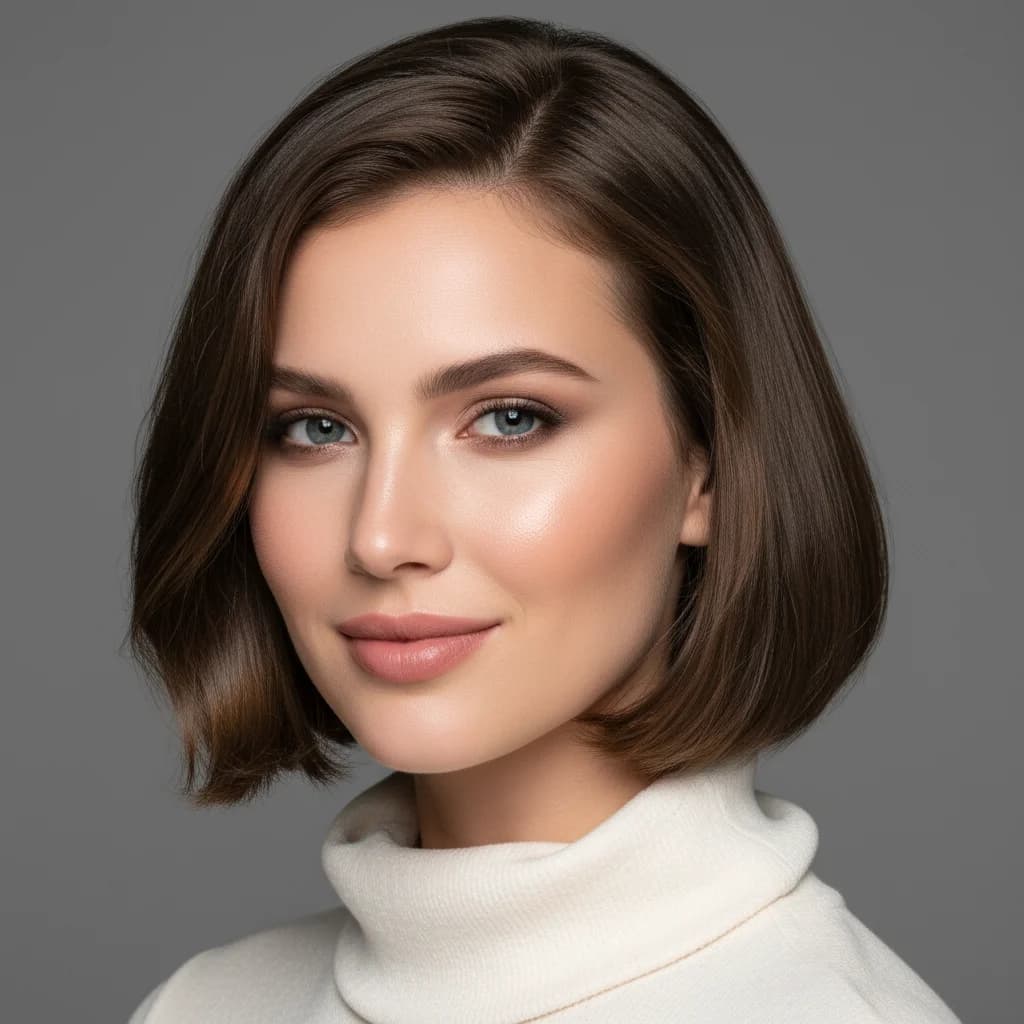
A compact jaw-length outline with a clear lower edge.
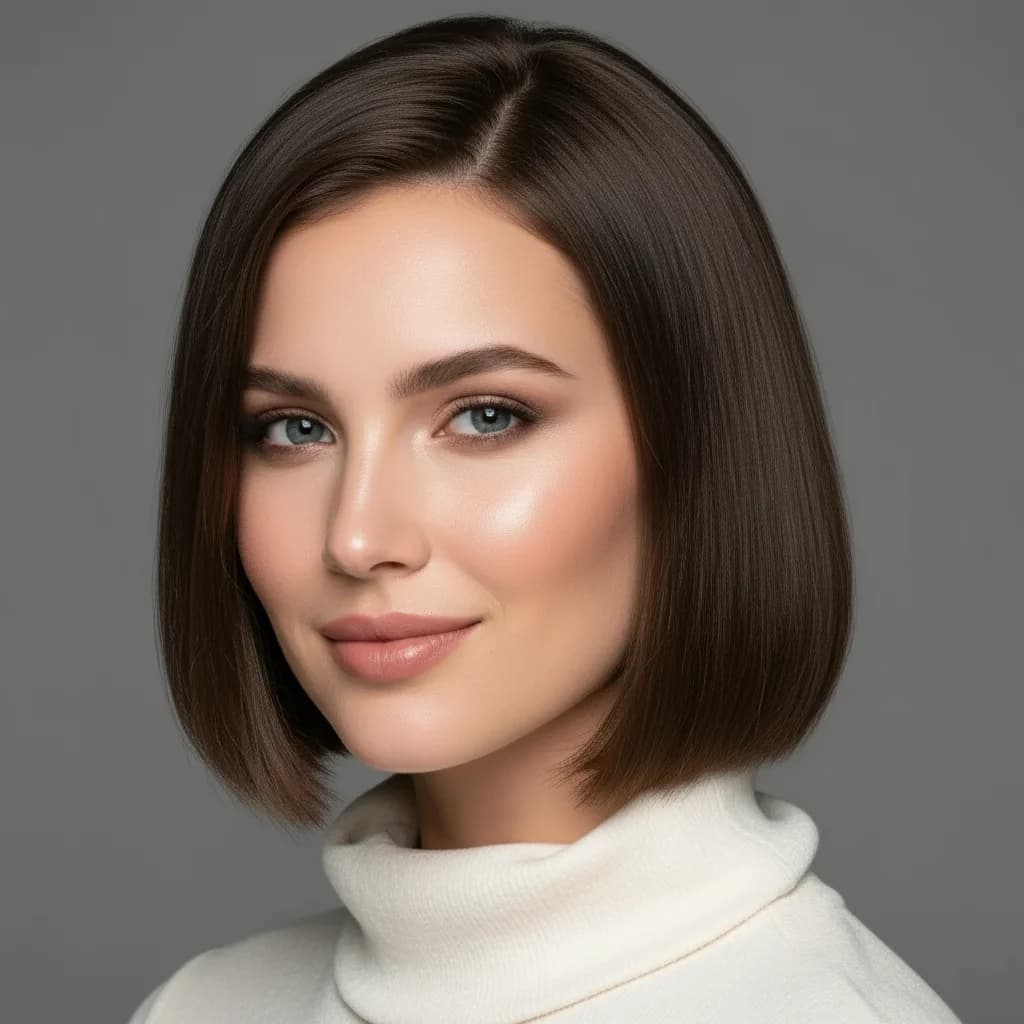
More length with a firm perimeter and limited layering.
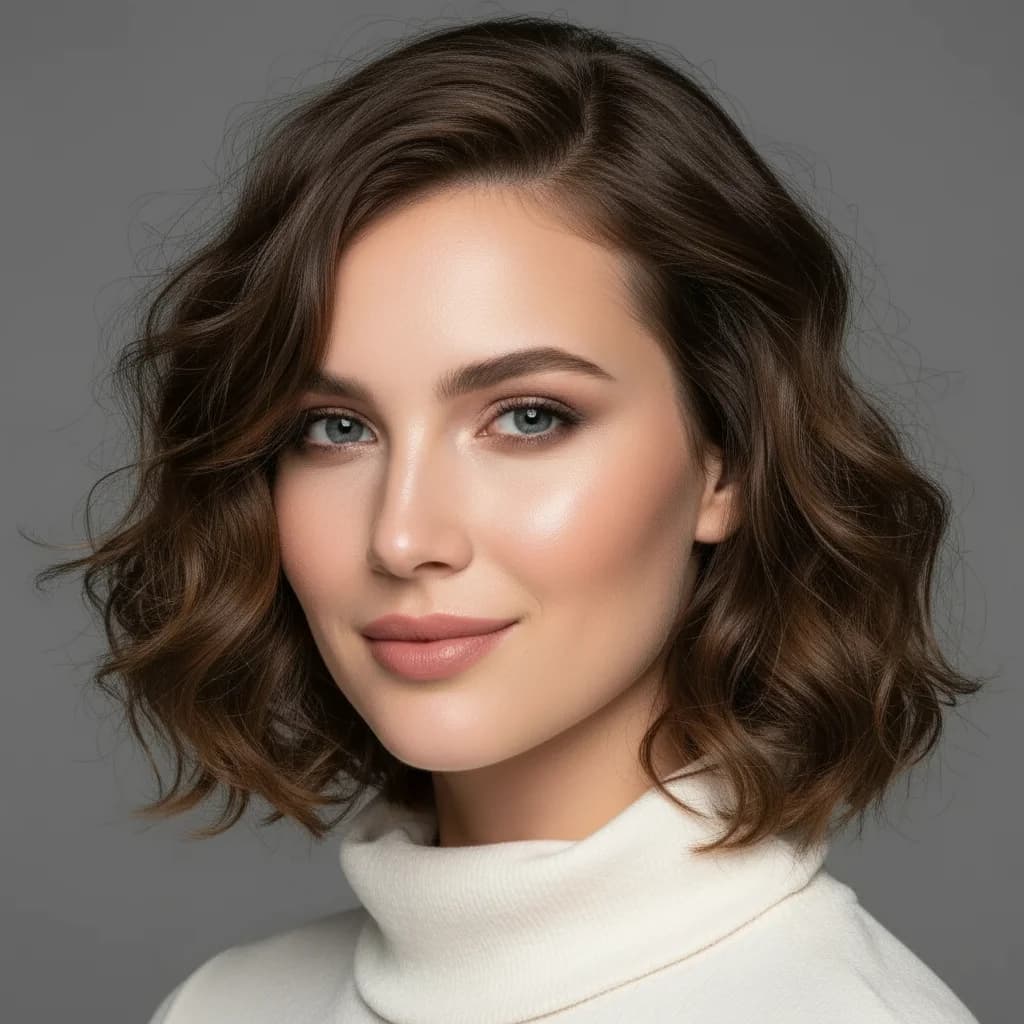
Gentle movement without heavily separated curls.
Fine describes the diameter of each strand, while thin can describe the amount of hair. A compact edge often looks more substantial than heavily feathered ends, and modest texture can create movement without separating the hair into transparent sections.
Upload a neutral front-facing photo that shows the ends, part, and natural texture.
Generate a recommendation that keeps the visible amount of hair believable.
Compare one compact outline with one lightly textured option and save the more practical result.
The aim is visual clarity and manageable movement. Hair-fiber diameter, total density, curl pattern, damage, and styling habits all affect which option holds its shape.
Short layers remove unsupported length and can create movement near the crown. Keep the shape controlled so the strands do not separate into spikes.
A clean line near the jaw can make the lower edge look more intentional than wispy, uneven ends. Compare where the line meets your face.
A longer bob preserves some length while maintaining a stronger perimeter. It also leaves room for a soft bend without extensive layering.
A loose bend can add movement, but very separated curls may reveal more space between sections. Use light styling rather than heavy product.
A few deliberate front pieces can add shape while leaving most of the perimeter intact. Too many short layers may reduce the visible weight at the ends.
A slightly shifted or less exact part can soften one strong scalp line. Follow the natural growth direction to reduce daily repositioning.
Soft pixies, classic bobs, blunt lobs, and lightly waved cuts are useful starting points because they can keep the outline clear. The best choice depends on strand texture, total density, and routine.
They can be. A pixie or bob removes unsupported length and may simplify styling, while a blunt lob can preserve more length. Compare the perimeter rather than assuming shorter is always better.
A small number of deliberate layers can add movement, but excessive layering may remove visible weight from the ends. Keep enough hair in the perimeter to maintain a clear shape.
Fine hair refers to the diameter of individual strands. Thinning hair refers to reduced density or fewer hairs in an area. A person can have fine strands without a changing density pattern.
No. Strand diameter, density, texture, damage, products, and cutting technique affect the real result. Use the preview to compare silhouette and communicate with a stylist.