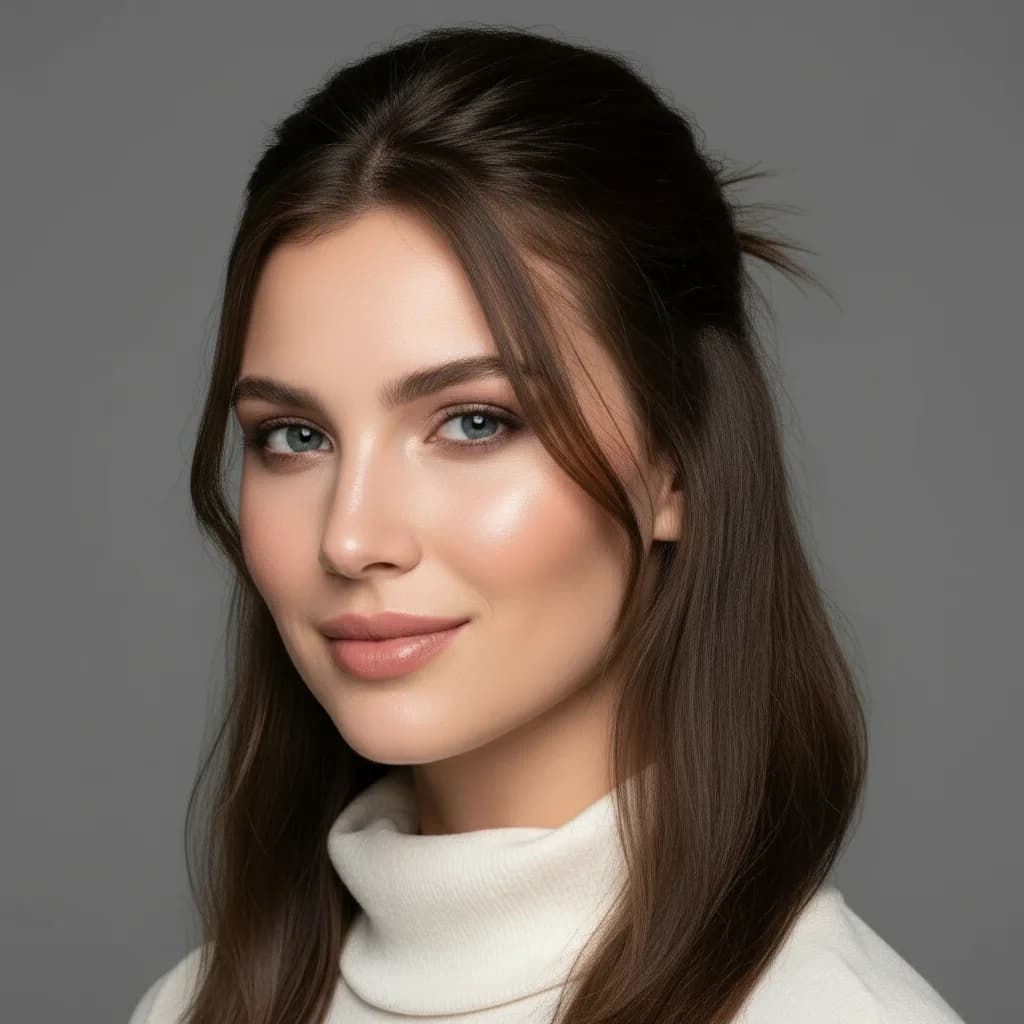
Half up, half down
A secured crown with visible length and movement.
Bridal hairstyle guide and photo try-on
Wedding hairstyles for thin hair work best when the shape stays secure, photographs clearly, and does not rely on unsupported height. Compare a half-up style, compact updo, soft wave, or braid placement on your own photo before the trial appointment.
Compare the overall arrangement on your face, then confirm the construction with a stylist. Reference images do not show the pins, padding, or preparation underneath.
A secured crown with visible length and movement.
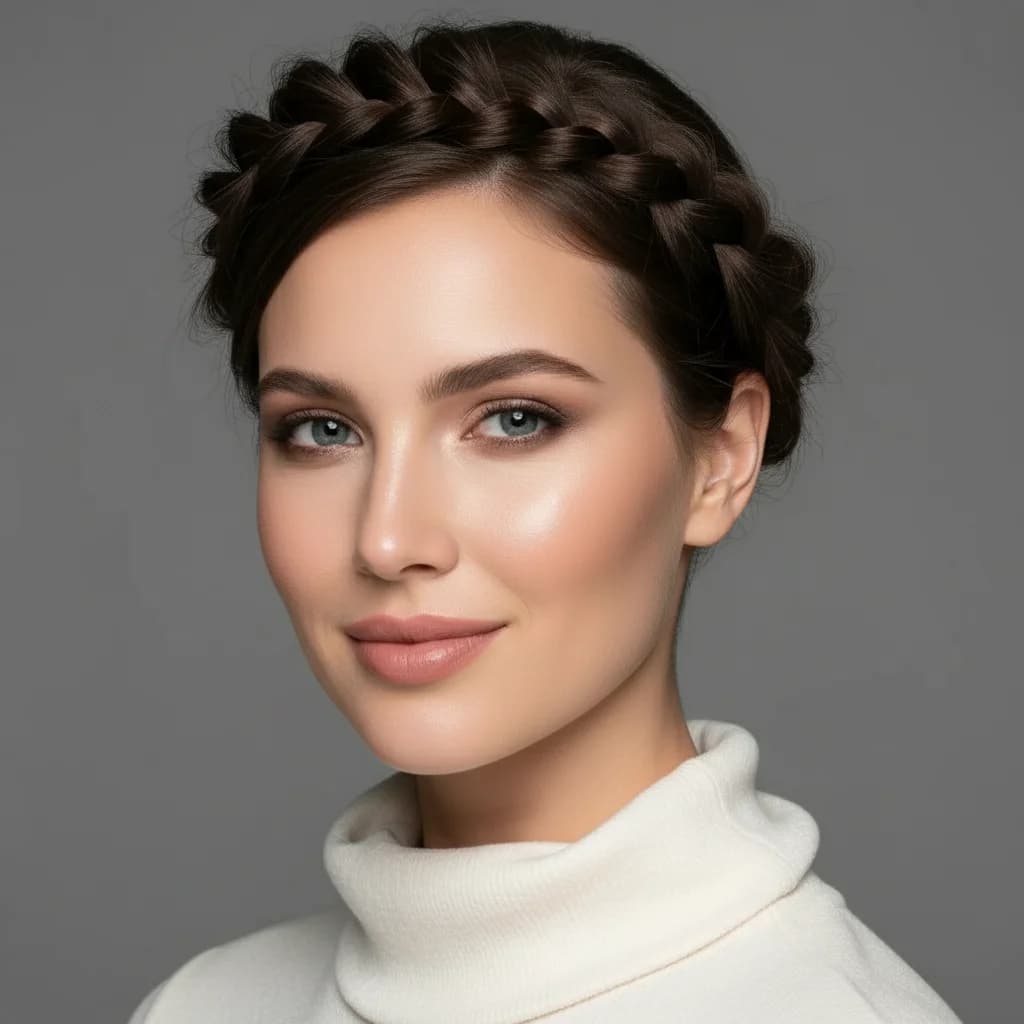
Structured braid placement that can support accessories.
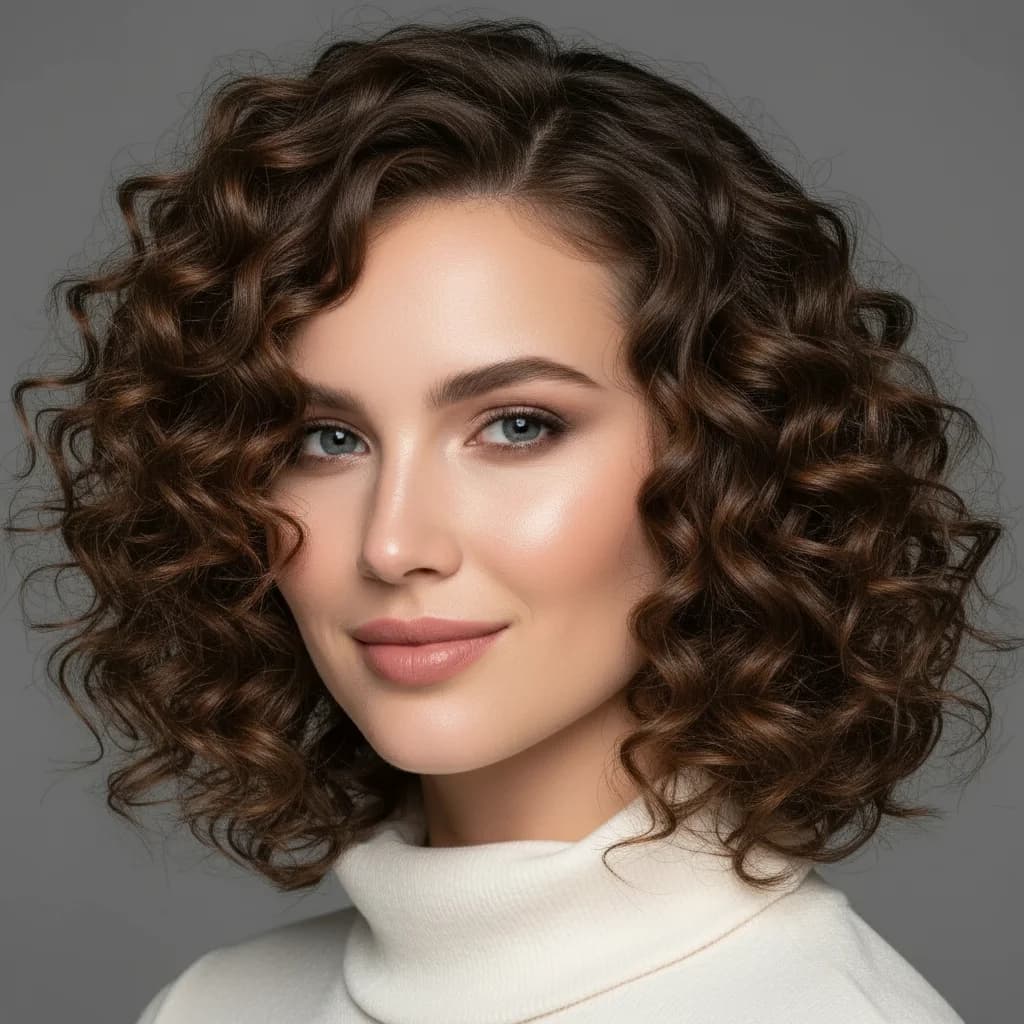
A down style with broad curl groups and face framing.
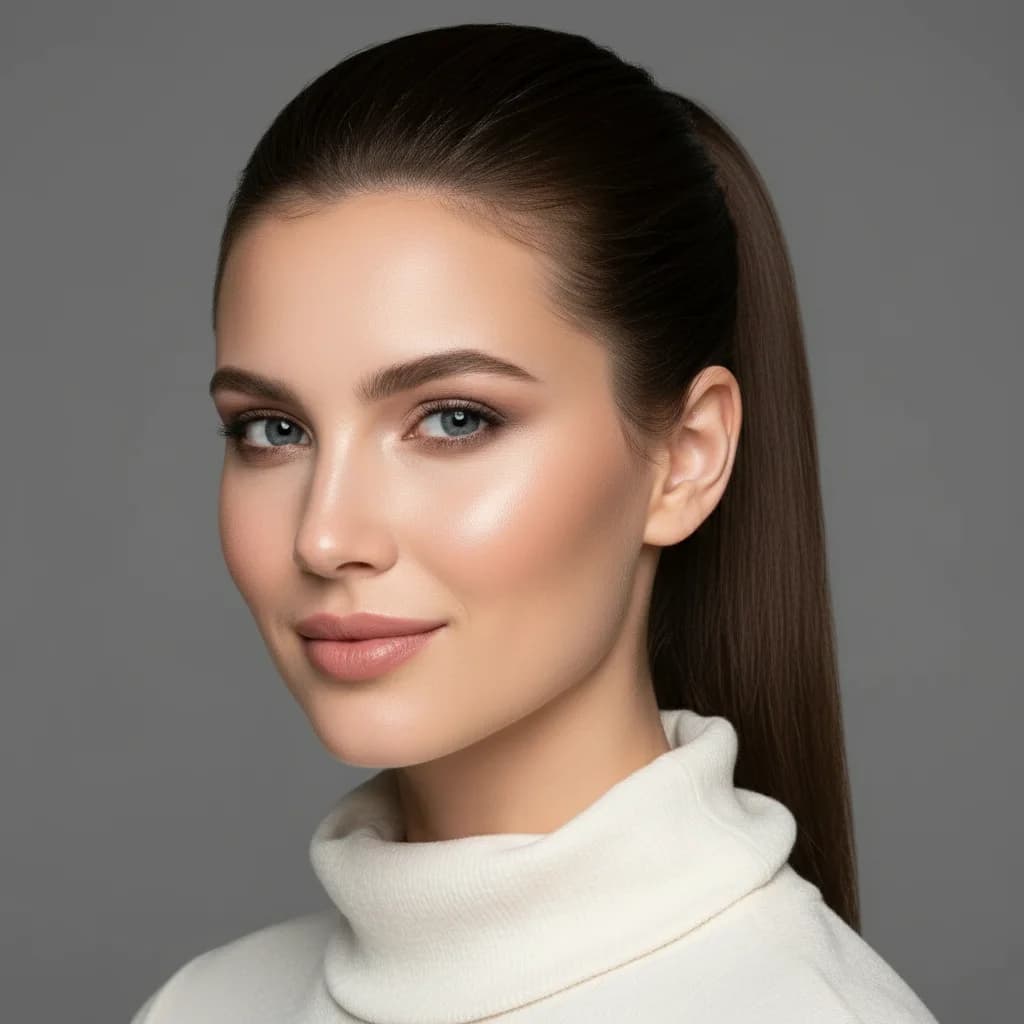
A clean formal outline with a secure central anchor.
A bridal style needs to hold through movement, weather, accessories, and hours of wear. Fine or low-density hair can still create a clear formal shape when the design uses controlled sections, a stable base, and realistic volume.
Upload a clear photo with the face, hairline, shoulders, and current length visible.
Generate a bridal starting point, then compare one up style with one down or half-up option.
Save the strongest direction and ask the stylist how it can be secured with your real density and accessories.
The strongest style is the one your hair can support for the full event. Placement, preparation, pins, padding, accessories, and the stylist’s technique matter as much as the visible silhouette.
Securing the top section creates a stable crown while leaving movement through the lengths. Keep the lifted area modest and proportionate to the available density.
A smaller low bun or twist can look intentional and hold securely without requiring an oversized shape. Padding can be discussed honestly at the trial.
A braid can create visible structure and an anchor for pins or accessories. Loosen it carefully so the sections remain secure and do not expose too much spacing.
A gentle bend adds movement for hair worn down. Keep the curl groups broad rather than highly separated if a fuller lower edge is the goal.
A clean ponytail gives a strong formal outline and can support an accessory at the base. Discuss whether an extension is part of the planned result.
Place the accessory where the style has a stable anchor. The hairstyle should support the piece rather than depend on it to disguise an unstable shape.
Half-up styles, compact low updos, broad soft waves, controlled braids, and sleek ponytails are useful starting points. The best option depends on length, texture, density, accessories, and event conditions.
It can when the shape is proportionate and built on a secure base. Preparation products, pin placement, small padding, or an agreed extension may be part of the construction.
A half-up style, low twist, broad waves, braided detail, or ponytail can use the available length without requiring exaggerated crown volume. Compare how much of the perimeter remains visible.
Yes. The stylist needs to test the actual weight, comb, pins, and placement so the hairstyle can support the accessory comfortably and securely.
No. It shows a visual direction, not the hidden pins, padding, products, or attachment method. Use it to choose a silhouette, then confirm construction during the trial.