
Classic bob
A chin-level perimeter that adds structure near the jaw.
Heart-shaped face guide and photo try-on
Hairstyles for a heart-shaped face can balance a broader forehead and cheek area with a narrower jaw or chin. Compare fringe, part placement, and movement near the lower face while keeping your preferred features visible.
Use the same photo to judge upper-face coverage and lower-face movement. Choose the relationship that feels most like your preferred look.
A chin-level perimeter that adds structure near the jaw.

Soft divided coverage around a broader forehead.
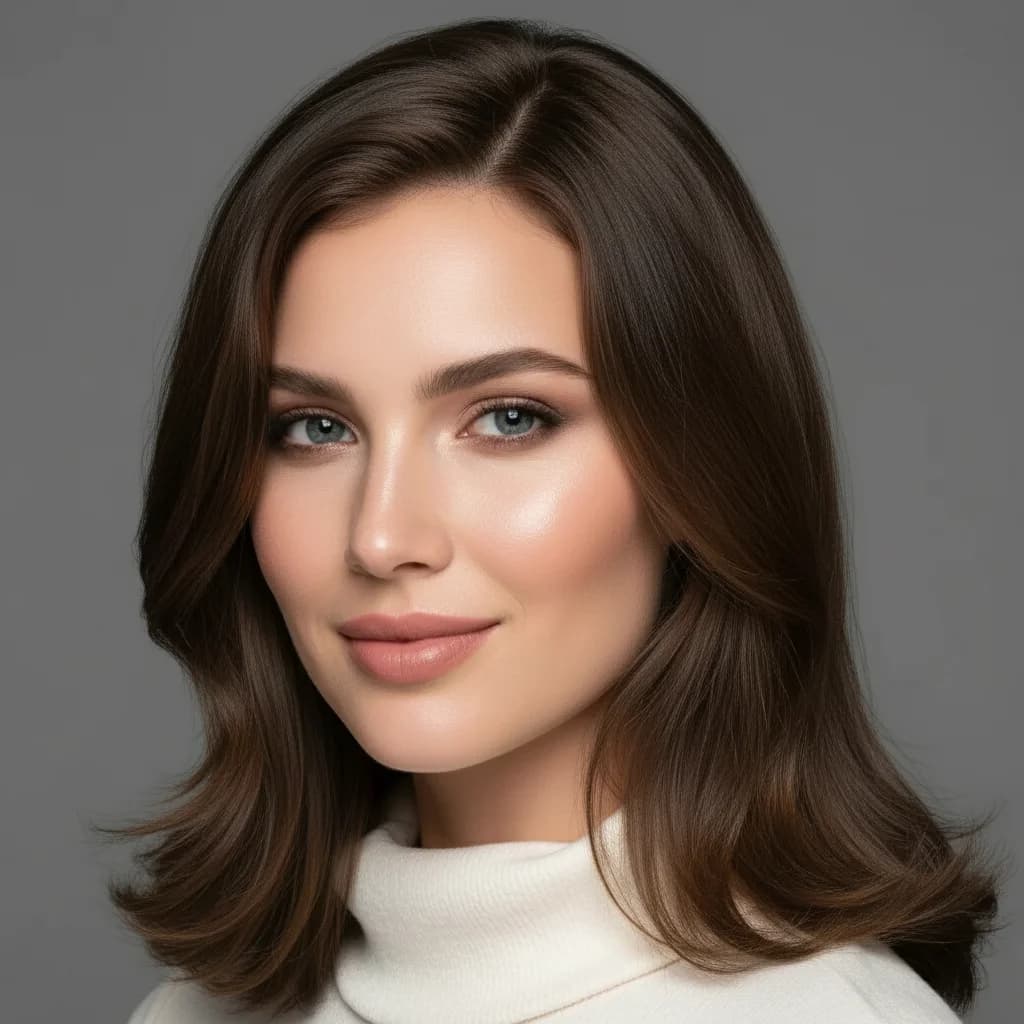
Face-framing movement that continues below the chin.

A clean diagonal frame with the forehead partly open.
Chin-length ends, lower-face waves, and a side direction can add visual presence near the jaw. A soft fringe can change the upper frame, while an open forehead keeps the cheekbones more prominent.
Upload a front-facing photo that shows the forehead, cheekbones, jaw, and chin.
Generate a recommendation, then compare a fringe option with an open-forehead style.
Adjust the length, part, or side texture and save the balance you prefer.
Heart-shaped faces vary in length and chin definition. Focus on where the hairstyle adds width, movement, and visual weight instead of treating the label as a strict rule.
Ends near the jaw can add a clear horizontal shape where the face becomes narrower. Compare a blunt edge with a softer finish.
Movement through the lower half of the hairstyle can balance a wider upper face without hiding the cheekbones.
A divided or diagonal fringe softens the forehead frame while leaving part of the face open.
Layers that begin near the cheek or chin can lead the eye toward the narrower lower face and preserve length.
A short style can work when the fringe and temple area create the intended upper frame. Compare softness with a more exposed finish.
A side part opens the forehead diagonally; a textured fringe softens it. Avoid adding all the width only at the temples.
Chin-length bobs, shoulder waves, curtain or side-swept bangs, long layers, textured pixies, and side parts are useful starting points because they vary the balance between forehead and jaw.
Bobs, lobs, lower-face waves, long layers, curtain bangs, and textured pixies can all work. Compare where the ends and volume sit relative to the chin.
Side parts, textured fringes, moderate quiffs, and layered medium cuts can work. Keep the side width and top height proportionate to the narrower jaw.
Yes. A pixie, bob, crop, or short side part can work. Fringe direction and the amount of temple volume influence whether the upper frame feels softer or more defined.
No. Hairline, density, texture, growth pattern, styling, and cutting technique affect the real result. Use the preview as a visual discussion reference.