
Curtain bangs
Soft divided framing near the forehead and temples.
Diamond-face hairstyle guide for women
Hairstyles for diamond-faced women can change the relationship between a narrower forehead and jaw and more prominent cheekbones. Compare fringe, side volume, endpoints, and face-framing layers on your own photo.
Compare where each style adds a line or movement relative to the forehead, cheekbones, and jaw.
Soft divided framing near the forehead and temples.
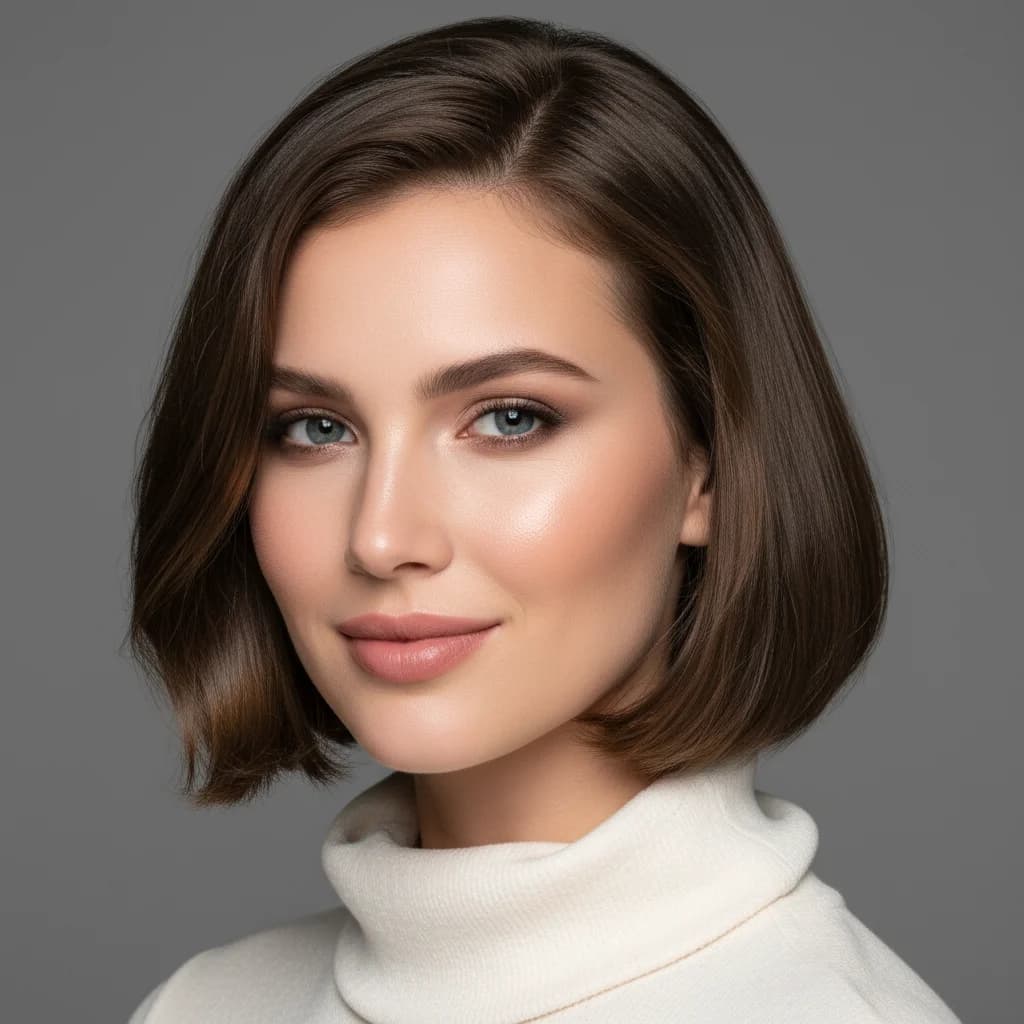
A defined endpoint near the narrower lower face.
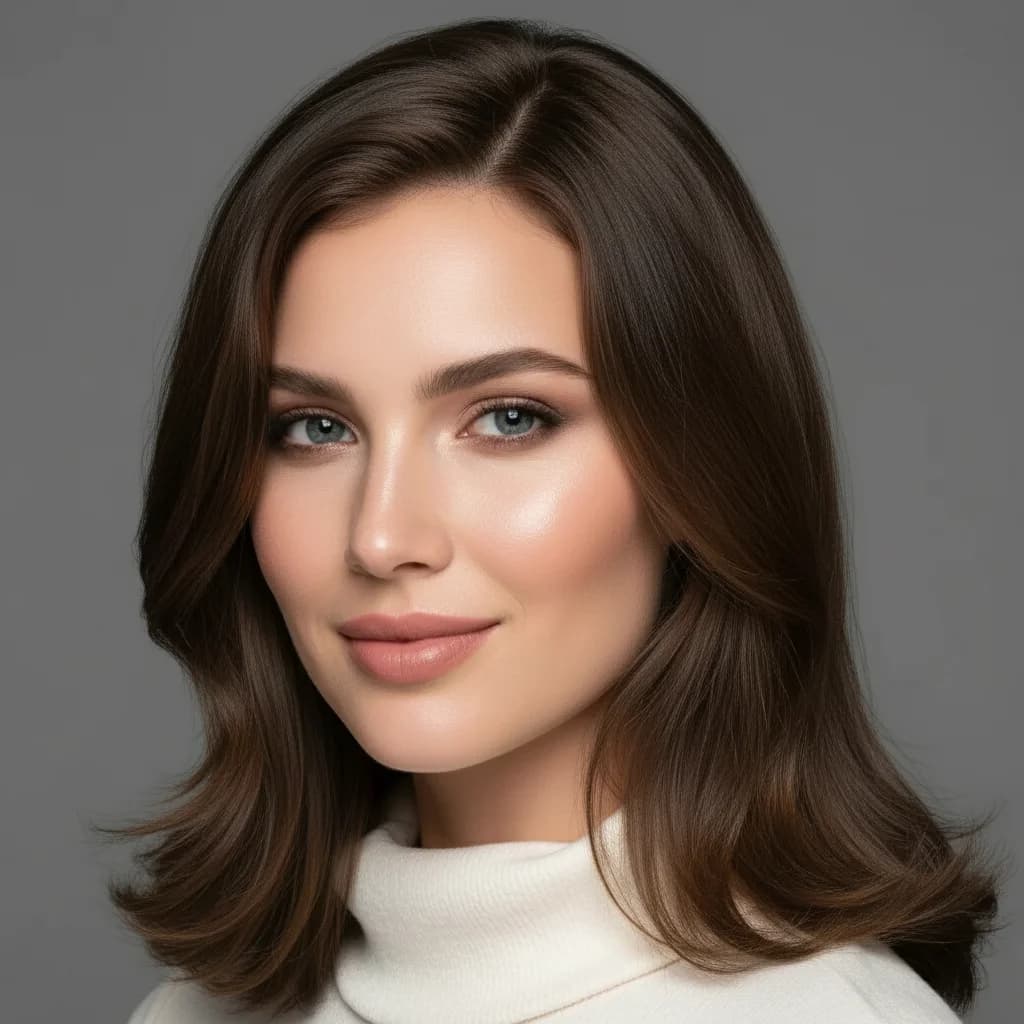
Movement that continues below prominent cheekbones.
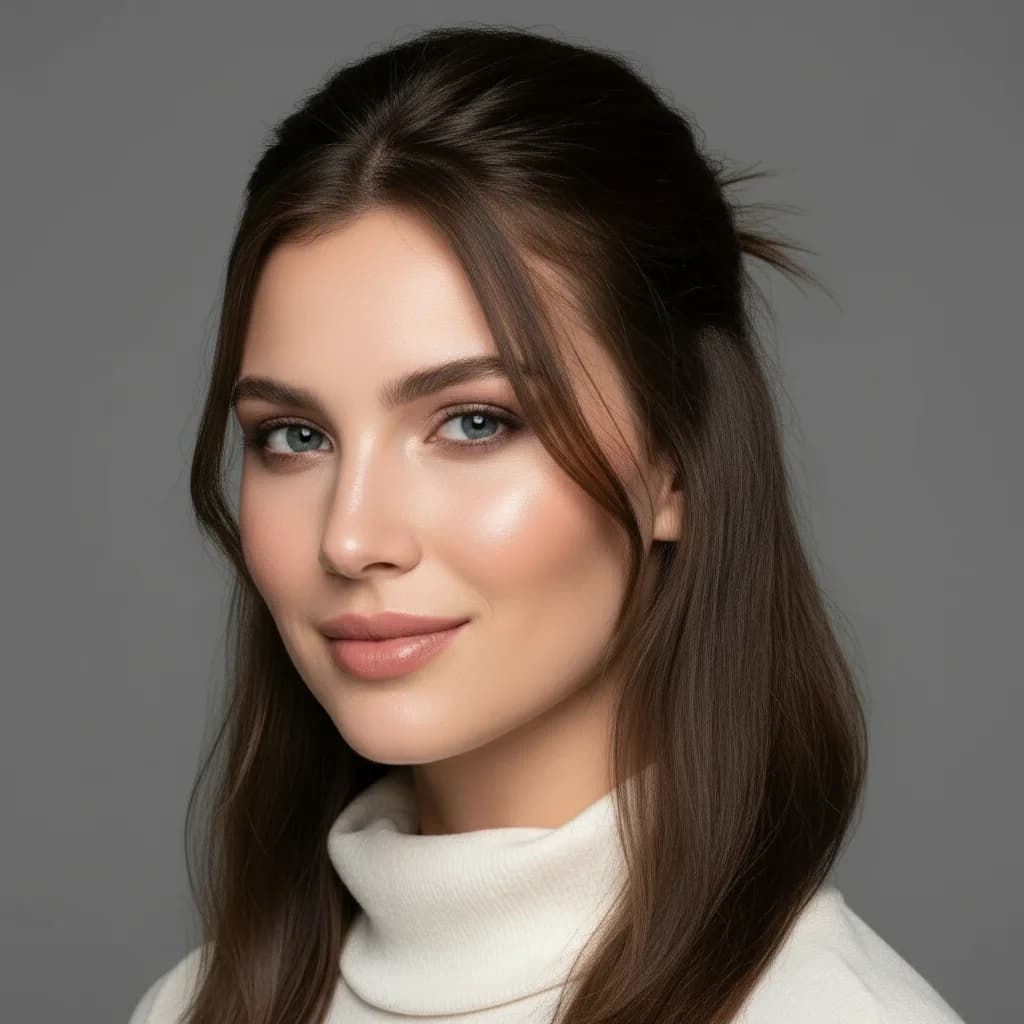
An open cheekbone frame with controlled loose pieces.
Curtain bangs can add softness near the forehead, a bob can create a clear lower endpoint, and longer layers can move past the cheekbones toward the jaw. You can also keep the cheekbones exposed when definition is the intended look.
Upload a front-facing photo that shows your forehead, cheekbones, jaw, and chin.
Generate a recommendation, then compare an open-cheekbone style with a softer side frame.
Adjust the fringe, endpoint, side volume, or layers and save the relationship you prefer.
Diamond faces differ in length, forehead width, and jaw definition. Use cheekbone placement as one reference point, then account for hair texture, density, and the amount of face exposure you enjoy.
A divided or diagonal fringe can add shape near the forehead and temples while leaving the center or one side more open.
A bob places a defined endpoint near the narrower lower face. Compare a blunt line with a softly curved finish.
Layers that continue past the cheekbones toward the jaw create movement without concentrating all width at the widest point.
Movement near the jaw and shoulders can add softness to the lower outer silhouette while preserving visible cheekbones.
A short shape can expose the jaw and cheekbones while a diagonal fringe changes the upper frame.
Pinning back the crown reveals the cheekbones; leaving controlled pieces near the temples or jaw changes how open the face feels.
Curtain or side-swept bangs, chin-length bobs, long face-framing layers, shoulder waves, side-fringe pixies, and half-up styles create useful differences around the forehead, cheekbones, and jaw.
Yes. Curtain bangs add softness on both sides, while side-swept bangs create a diagonal upper frame. Check that the fullest part does not end exactly where you least want added width.
Yes. Bobs and pixies can work well. Compare the bob endpoint or the pixie fringe with the position of your cheekbones and jaw.
No. Prominent cheekbones can be emphasized or softly framed. The choice depends on the look you want, so compare an open style with one that adds movement beside them.
Use the dedicated men’s diamond-face guide for pompadours, crops, side parts, and other masculine styling directions.